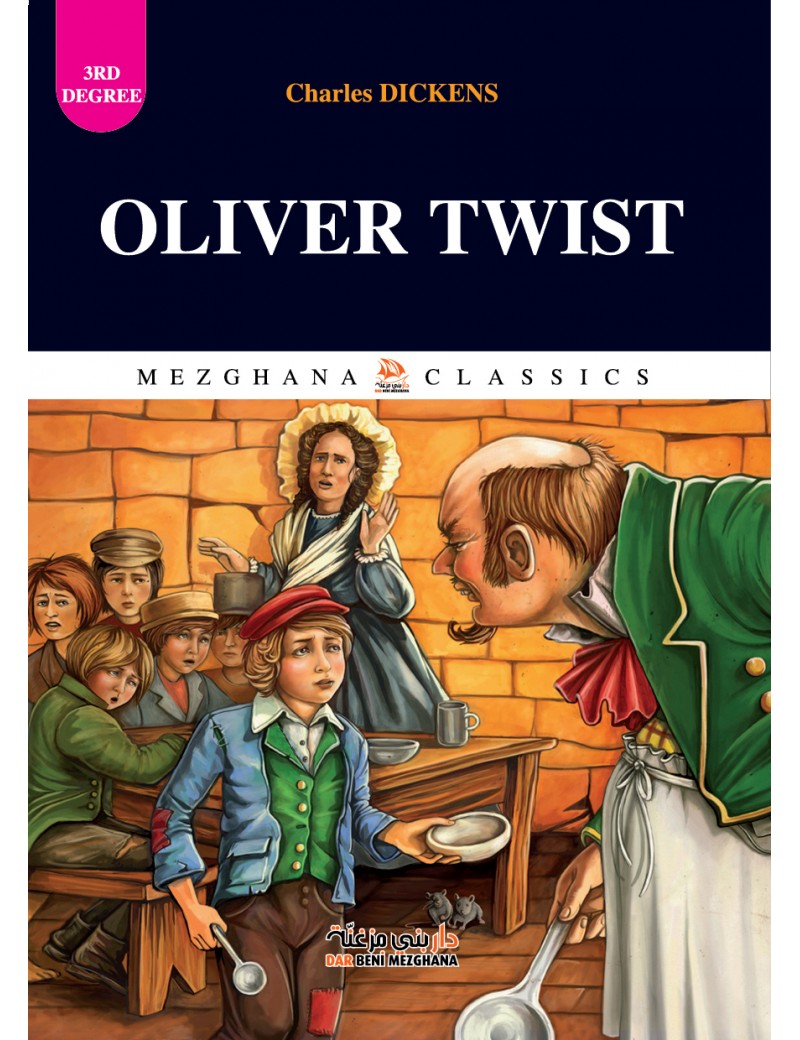
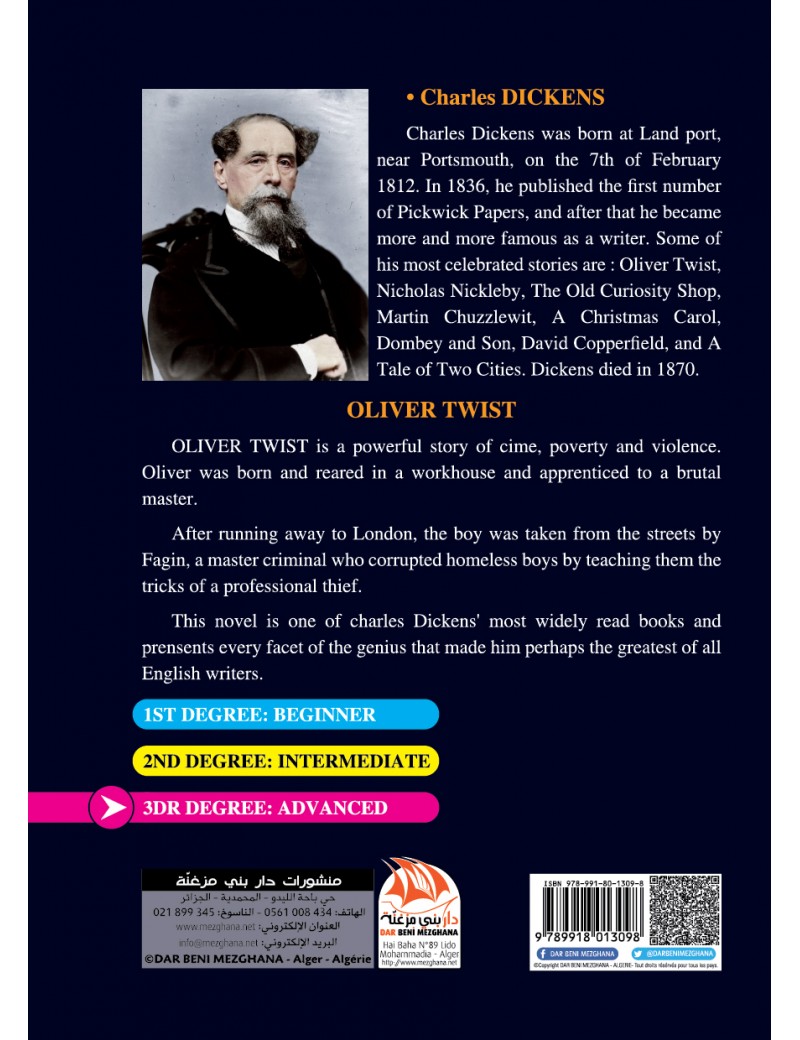
Oliver Twist, de son titre complet en anglais : Oliver Twist, or The Parish Boy's Progress, l'un des romans les plus universellement connus de Charles Dickens, a été publié en trente-deux feuilletons mensuels dans la revue Bentley's Miscellany, entre février 1837 et avril 1839, juin et octobre 1837 exceptés.
Disponible
The story centres on orphan Oliver Twist, born in a workhouse and sold into apprenticeship with an undertaker. After escaping, Oliver travels to London, where he meets the "Artful Dodger", a member of a gang of juvenile pickpockets led by the elderly criminal Fagin.
Oliver Twist is notable for its unromantic portrayal of criminals and their sordid lives, as well as for exposing the cruel treatment of the many orphans in London in the mid-19th century. The alternative title, The Parish Boy's Progress, alludes to Bunyan's The Pilgrim's Progress, as well as the 18th-century caricature series by William Hogarth, A Rake's Progress and A Harlot's Progress.
In this early example of the social novel, Dickens satirises the hypocrisies of his time, including child labour, the recruitment of children as criminals, and the presence of street children. The novel may have been inspired by the story of Robert Blincoe, an orphan whose account of working as a child labourer in a cotton mill was widely read in the 1830s. It is likely that Dickens's own experiences as a youth contributed as well.
Oliver Twist has been the subject of numerous adaptations for various media, including a highly successful musical play, Oliver!, and the multiple Academy Award-winning 1968 motion picture. Disney also put its spin on the novel with the animated film called Oliver & Company in 1988.
Born on the same day, a prince and a pauper grow up to experience very different lives. While Tom, the pauper, is unwanted by his family, Prince Edward grows up to be celebrated by the entire nation. However, fate has other plans for the two identical young men. What happens when the two accidentally swap lives? Will they be able to convince people of this error? Will they survive in these polar opposite worlds? Read the Prince and the Pauper to experience two wildly different worlds, and find out how the boys navigate through their adventures.
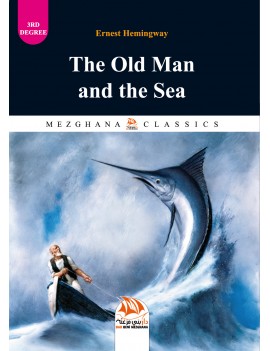
Le Vieil Homme et la Mer (The Old Man and the Sea en anglais) est un court roman écrit par l'écrivain américain Ernest Hemingway à Cuba en 1951 et publié en 1952. Il s'agit de la dernière œuvre de fiction majeure produite par Hemingway et publiée de son vivant. Elle demeure son œuvre la plus célèbre. Elle traite d'un vieux pêcheur cubain appelé Santiago, en lutte avec un énorme marlin au large du Gulf Stream. Bien que le roman ait été l'objet de critiques disparates, la sélection de son auteur pour le prix Nobel de littérature en 1954 réaffirme dans la littérature mondiale l'importance et la portée de l'ensemble des créations d'Hemingway et dans la fiction du xxe siècle.
Cet ouvrage lui valut le double honneur du prix Pulitzer le 4 mai 1953 et du prix Nobel de littérature en 1954.
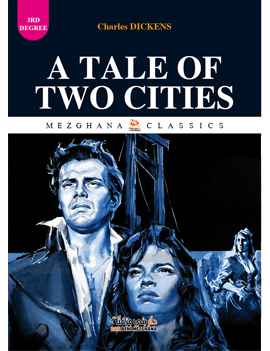
During the Reign of Terror in France, Doctor Alexandre Manette finds himself free after eighteen years of imprisonment in the Bastille. Reunited with his daughter, Lucie Manette, in England, he becomes acquainted with an exiled French aristocrat, Charles Darnay, and an English lawyer of ill repute, Sydney Carton, both of whom are in love with Lucie. Find out how this unsuspecting love triangle gets drawn into the horrors of the revolution, and how they fight their way out of it!
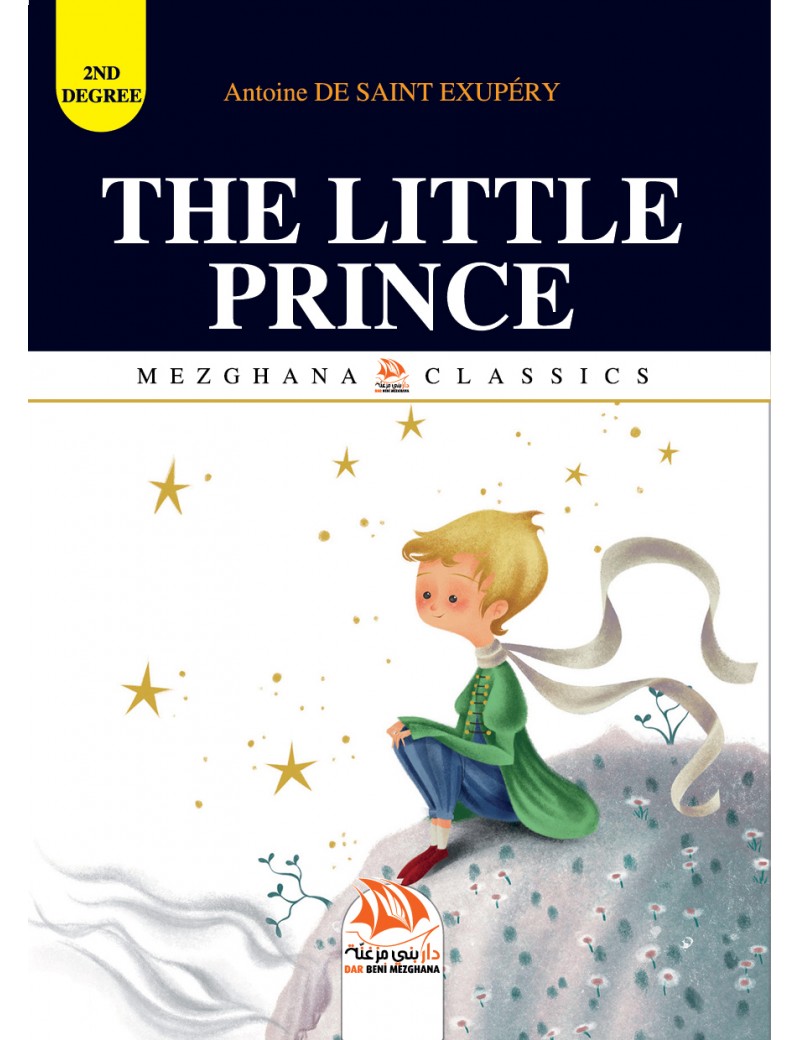
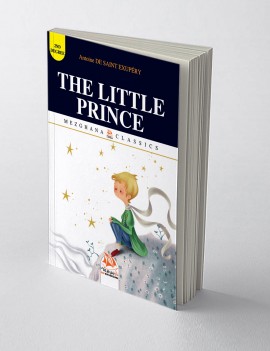
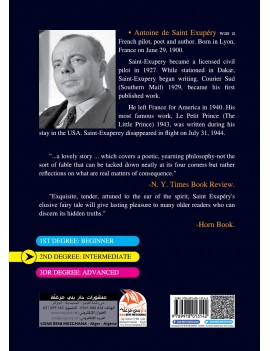
Le Petit Prince (The Little Prince) est une œuvre de langue française, la plus connue d'Antoine de Saint-Exupéry. Publié en 1943 à New York simultanément à sa traduction anglaise, c'est une œuvre poétique et philosophique sous l'apparence d'un conte pour enfants.
Traduit en trois cent soixante et une langues.
Le langage, simple et dépouillé, parce qu'il est destiné à être compris par des enfants, est en réalité pour le narrateur le véhicule privilégié d'une conception symbolique de la vie. Chaque chapitre relate une rencontre du petit prince qui laisse celui-ci perplexe, par rapport aux comportements absurdes des « grandes personnes ». Ces différentes rencontres peuvent être lues comme une allégorie.
Jane Eyre est le premier roman publié de Charlotte Brontë, dont le livre précédent, Le Professeur, avait été refusé par sept éditeurs. Charlotte Brontë amorce la rédaction de Jane Eyre en août 1846, et l'achève un an plus tard. Le livre est accepté par la maison d’édition Smith, Elder & Co. et publié en octobre 1847, sous le pseudonyme de Currer Bell. Le succès est immédiat au point de précipiter la parution déjà prévue des romans Les Hauts de Hurlevent et Agnès Grey des sœurs de Charlotte, Emily (alias Ellis Bell) et Anne (alias Acton Bell). En décembre 1847, Jane Eyre fait l'objet d'une seconde édition que Charlotte dédie au romancier William Makepeace Thackeray.
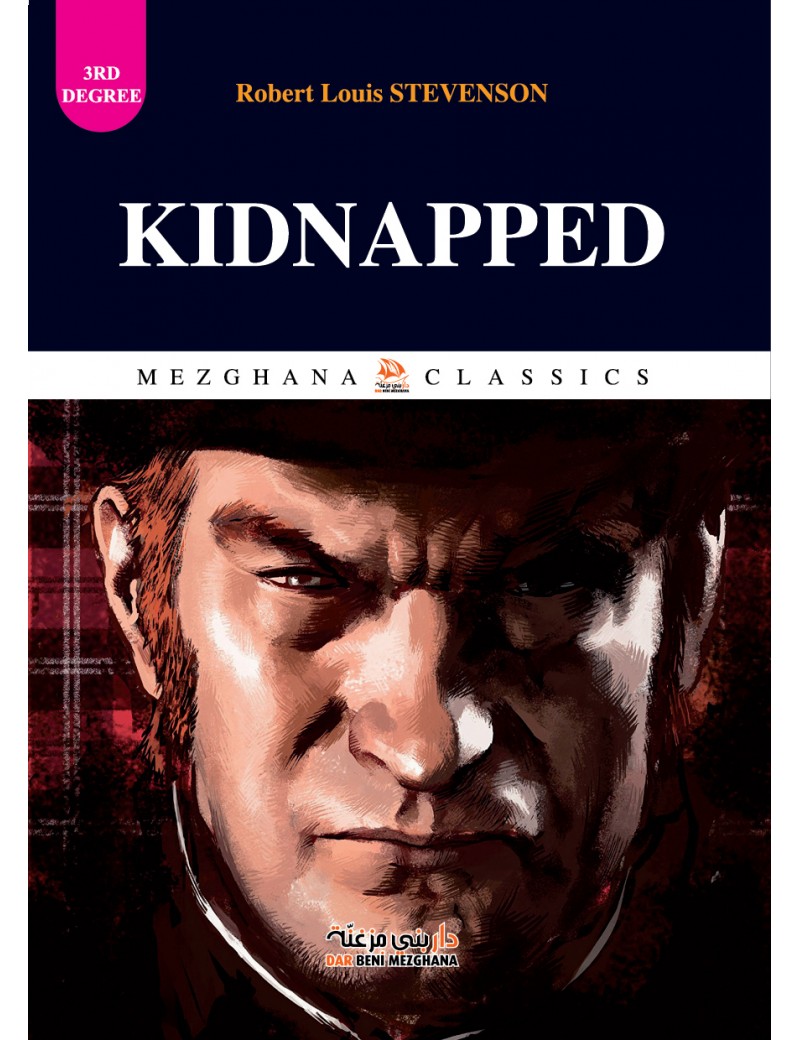
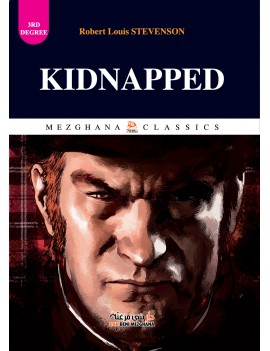
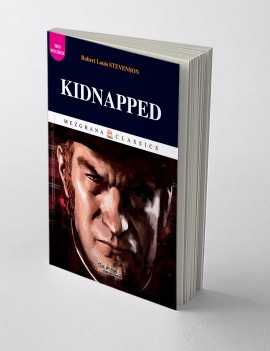
Enlevé ! (titre original : Kidnapped ; or the Lad with the Silver Button), également paru sous le titre : Les Aventures de David Balfour, est un roman d'aventures de Robert Louis Stevenson publié en 1886. En France, il a été édité pour la première fois en 1905.
Il est d'abord paru sous la forme de roman-feuilleton dans le magazine Young Folks Paper (en) du 1er mai au 31 juillet de la même année (14 épisodes).
Le roman s'articule autour d'un fait historique célèbre en Écosse : le meurtre d'Appin survenu en mai 1752.
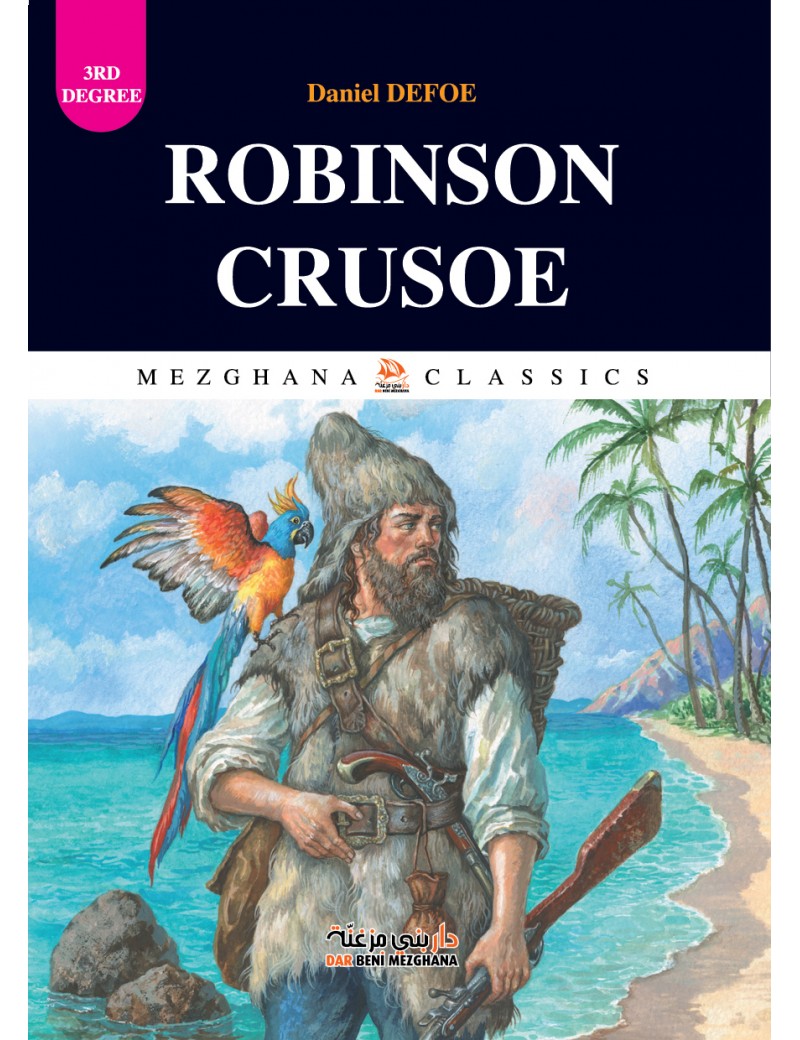
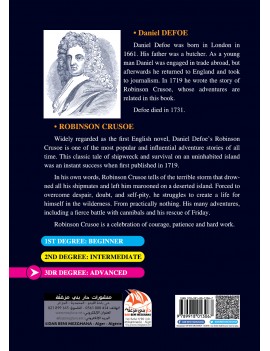
Robinson Crusoé est un roman d'aventures anglais de Daniel Defoe, publié en 1719. L'histoire s'inspire très librement de la vie d'Alexandre Selkirk. Écrit à la première personne, l'intrigue principale du roman se déroule sur une île déserte où Robinson, après avoir fait naufrage, vécut pendant 28 ans. Durant son séjour, il fit connaissance d'un « sauvage » qu'il nomma Vendredi. Les deux compagnons vécurent ensemble pendant plusieurs années avant de pouvoir quitter l'île.
There are 2 items in your cart.
Total products: $150.00
Total shipping: free
Total: $150.00(tax incl.)
Chargement de l’aperçu…
Aperçu non disponible.